Rou Gui vs Shui Xian: Wuyi Oolong Comparison
- Wuyi Rock Tea, encompassing varieties like Rou Gui and Shui Xian, held a brand valuation of 75.018 billion Chinese Yuan in 2025, marking its ninth consecutive year as the second-highest-ranked geographical indication in China's tea sector Wuyi Rock Tea Da Hong Pao Baidu Baike.
Last updated: April 2026
Affiliate Disclosure: We may earn a commission when you purchase through our links. This does not affect our editorial independence.
Quick Answer
- Wuyi Rock Tea, encompassing varieties like Rou Gui and Shui Xian, held a brand valuation of 75.018 billion Chinese Yuan in 2025, marking its ninth consecutive year as the second-highest-ranked geographical indication in China's tea sector Wuyi Rock Tea Da Hong Pao Baidu Baike.
- The traditional crafting of Wuyi Rock Tea involves more than ten distinct steps, including crucial stages like withering, 'yao qing' (shaking and cooling), and charcoal roasting.
- Da Hong Pao, a renowned type of Wuyi Oolong, is characterized by its brewed leaves displaying a distinct mix of red and green, often described as 'green leaves edged in red'.
- Wuyi Rock Tea has a long-standing history of prestige, having been designated as a royal tribute since the Song Dynasty.
Wuyi Rock Tea, often referred to as Wuyi Oolong, represents a pinnacle of Chinese tea craftsmanship, with Rou Gui and Shui Xian standing out as two of its most distinguished cultivars. Originating from the unique rock crevices of the Wuyi Mountains in Fujian, this tea boasts a heritage of cultivation dating back to the Tang Dynasty, with documented tea-making techniques from the Han Dynasty. Its traditional production, a meticulous process involving over ten steps such as withering, 'yao qing', and charcoal roasting, imprints upon the tea a signature "rock rhyme and floral fragrance" (岩骨花香). This intricate balance allows Wuyi Oolong to offer the refreshing qualities of green tea alongside the rich, mellow sweetness typically found in black tea. The esteemed status of Wuyi Rock Tea is underscored by its brand value, which reached 75.018 billion Chinese Yuan in 2025, consistently ranking it as the second most valuable tea geographical indication in China for nine years straight Wuyi Rock Tea Da Hong Pao Baidu Baike. Understanding the nuances between cultivars like Rou Gui and Shui Xian helps tea enthusiasts appreciate the depth and diversity within this celebrated category.
What are Wuyi Oolongs?
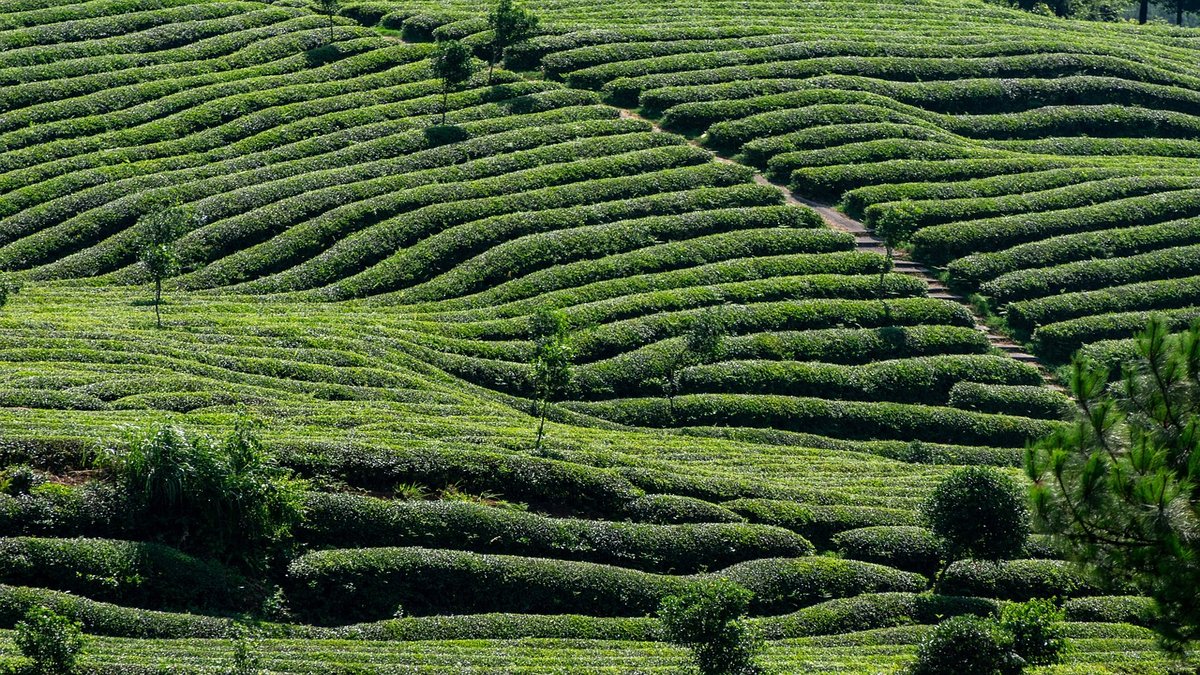
Wuyi Oolongs, also known as Wuyi Rock Teas (武夷岩茶), are a highly prized category of Chinese oolong tea originating exclusively from the Wuyi Mountains in Fujian Province. These teas are celebrated for their distinctive "rock rhyme and floral fragrance" (岩骨花香), a complex profile attributed to the unique terroir of the Wuyi region, characterized by its mild climate, abundant rainfall, and constant cloud cover. The mountains feature deep gorges and flowing streams, contributing to a high average relative humidity of around 80%. This specific environment, combined with ancient tea-making traditions, yields a tea that is unique in its sensory experience.
Historical Significance and Recognition
The history of Wuyi Rock Tea is deeply intertwined with Chinese culture and imperial legacy. Records indicate that tea cultivation in the Wuyi Mountains existed as early as the Tang Dynasty, with tea-making techniques present since the Han Dynasty. By the Song Dynasty, Wuyi Rock Tea had earned the esteemed status of a royal tribute. The Yuan Dynasty further solidified its importance by establishing a dedicated "焙局" (baking bureau) in the Wuyi Mountains solely for the production of tribute tea. The sophisticated processing techniques for oolong tea were refined during the early Qing Dynasty, contributing to the tea's enduring reputation.
In recognition of its profound cultural and historical value, the traditional production technique of Wuyi Rock Tea was designated a National Intangible Cultural Heritage in 2006. More recently, in 2022, it gained international acclaim by being included in the Representative List of the Intangible Cultural Heritage of Humanity as part of "Traditional Chinese Tea Processing Techniques." This international recognition highlights the intricate artistry and generational knowledge embedded in every step of its creation.
Economic Value and Modern Development
Beyond its cultural significance, Wuyi Rock Tea holds substantial economic importance. The brand value of Wuyi Rock Tea reached an impressive 75.018 billion Chinese Yuan in 2025. This valuation places it consistently as the second-highest-ranked geographical indication among all Chinese tea categories for nine consecutive years. This sustained high ranking underscores its strong market presence and consumer recognition.
Modern tea enterprises in the Wuyi region are actively promoting sustainable practices, including ecological tea garden management. They leverage advanced technologies such as Internet of Things (IoT) monitoring systems to optimize production processes, ensuring quality and efficiency. To appeal to a younger demographic and broader market, innovative products like "挂耳岩茶" (drip-bag rock tea) have been developed. The region also hosts regular "茶王赛" (Tea King Competitions) and "茶博会" (Tea Expos), alongside promoting tea-themed cultural tourism experiences. Initiatives like the "武夷茶·华夏行" (Wuyi Tea - Journey Through China) series of tasting events further expand its reach and appreciation. In a significant cultural development, the first private rock tea museum in China is slated for completion in 2025, aiming to serve as a hub for tea culture research and education.
Sensory Profile and Characteristics
Wuyi Rock Tea is characterized by a unique fusion of flavors and aromas. It possesses the refreshing clarity typically associated with green tea, combined with the mellow, sweet richness characteristic of black tea. The finished tea, once brewed, presents an orange-yellow, clear liquor. Its aroma is described as rich and long-lasting, a hallmark of its quality. After brewing, the tea leaves themselves offer a visual treat, displaying a vibrant mix of red and green, often specifically noted as having "green leaves with red edges" (绿叶红镶边). This visual characteristic is a key indicator of properly processed Wuyi Oolong.
The intrinsic quality of Wuyi Rock Tea is often evaluated using a set of criteria summarized by the Qing Dynasty scholar Liang Zhangju. He concisely described its essential characteristics as "活、甘、清、香" (lively, sweet, clear, fragrant) in his work 'Guitian Suoji' Wuyi Rock Tea Da Hong Pao Baidu Baike. These terms are further elaborated in tea appraisal standards:
- 活 (Liveliness): Refers to a smooth, refreshing, and invigorating sensation in the mouth, devoid of any stickiness or astringency, leaving a crisp, clear aftertaste in the throat.
- 甘 (Sweetness): Signifies a quick and clean return of sweetness, a refreshing and clear甘润 (gan run) sensation that is not cloying.
- 清 (Clarity): Denotes a pure and unadulterated taste, a quick and comfortable sensation, and a bright, clear appearance of both the tea liquor and the brewed leaves.
- 浓 (Richness): Describes a tea that is concentrated and full-bodied, yet mellow and thick, without any pronounced bitterness or astringency.
- 厚 (Body/Thickness): Pertains to the substantiality of the tea's base, a lingering quality that can be felt in the mouth, often described as having "bone" (骨), implying a robust and enduring flavor. It offers a sensation of "舌本常留甘尽日" (the tongue's base retains sweetness all day long).
- 韵 (Rhyme): This is the essence of "岩骨花香" (rock bone floral fragrance), specifically referring to the "rock bone" (岩骨) aspect. It embodies the unique mineral character derived from the Wuyi Mountain terroir.
- 持久性 (Persistence): Relates to the long-lasting comfort and pleasant sensations in the mouth, not the persistence of bitterness or off-flavors. A high-quality tea should leave a lingering fragrance that can still be perceived even after a meal. This depth of character and long finish is a hallmark of superior Wuyi Oolongs.
How is Da Hong Pao related to Rou Gui and Shui Xian?
Da Hong Pao (大红袍), often translated as "Big Red Robe," is not just a single tea variety but a revered name within the broader category of Wuyi Rock Tea, frequently considered the "ultimate" Chinese oolong. While there are original Da Hong Pao mother trees, most Da Hong Pao available today is a blend of different Wuyi Rock Tea cultivars, or a single cultivar processed in the Da Hong Pao style. This means that Rou Gui and Shui Xian are intrinsically linked to Da Hong Pao, often serving as components or distinct varieties within the larger Wuyi Rock Tea family.
Da Hong Pao as a Representative of Wuyi Rock Tea
Da Hong Pao embodies the quintessential characteristics of Wuyi Rock Tea. Its fame has made it a flagship product, representing the entire Wuyi Oolong category. When people refer to Da Hong Pao, they are often referring to a tea that exhibits the signature "rock rhyme and floral fragrance" (岩骨花香) that defines Wuyi Rock Teas. This makes it a benchmark against which other Wuyi cultivars, including Rou Gui and Shui Xian, are often discussed and compared. The processing techniques used for Da Hong Pao are also fundamental to many other Wuyi Rock Teas, ensuring they share a common lineage in terms of craftsmanship. For instance, products advertised as "Zheng Yan Da Hong Pao" (正岩大红袍) on platforms like JD.com signify their origin from the core Wuyi Mountain area and adherence to traditional processing, often encompassing various cultivars JD.com product listings for Zheng Yan Da Hong Pao.
The Four Famous Cultivars and Beyond
The tea tree varieties that contribute to Wuyi Rock Tea are diverse, but certain cultivars are particularly renowned. Historically, the "四大名枞" (Four Famous Cong) are often cited as the foundational varieties for Da Hong Pao. While the exact list can vary slightly, Da Hong Pao itself (referring to the original mother trees or direct descendants), Tie Luo Han (铁罗汉), Shui Xian (水仙), and Bai Ji Guan (白鸡冠) are commonly included. Rou Gui (肉桂) has also risen to prominence and is now widely recognized as one of the most important and distinct Wuyi Rock Tea cultivars.
- Da Hong Pao: While a blend in most commercial contexts, the original Da Hong Pao refers to specific ancient tea trees on the Wuyi Mountains. Its unique processing style and robust flavor profile have made it a legend.
- Tie Luo Han: Known for its strong, robust character and often described as having a "gongfu" appeal, requiring careful brewing.
- Shui Xian: Meaning "Narcissus," this cultivar is celebrated for its mellow, smooth character, often with floral and woody notes. It tends to have larger leaves and is known for its endurance through many infusions.
- Rou Gui: Meaning "Cinnamon," this cultivar is highly prized for its intense, spicy aroma and flavor, reminiscent of cassia bark. It is recognized for its bold personality and strong "rock rhyme."
These cultivars, including Rou Gui and Shui Xian, are processed using the same fundamental Wuyi Rock Tea techniques, but their inherent genetic differences lead to distinct flavor profiles. Therefore, while Da Hong Pao is a category or a style, Rou Gui and Shui Xian are specific tea plant varieties (cultivars) that fall under the Wuyi Rock Tea umbrella, each contributing their unique characteristics to the rich tapestry of Wuyi Oolongs. Many products on Taobao list "Zheng Yan Rou Gui" (正岩肉桂) alongside "Da Hong Pao," indicating their distinct yet related status as premium Wuyi Rock Teas Taobao search results for Zheng Yan Da Hong Pao.
Marketing and Product Presentation
On e-commerce platforms, it is common to see Da Hong Pao, Rou Gui, and Shui Xian marketed both individually and in collections. For example, brands like Wuyi Lu, Wuyi Pu, and Yu Ming Jun offer "Zheng Yan Da Hong Pao" in various packaging, from gift boxes to sachets JD.com product listings for Zheng Yan Da Hong Pao. Similarly, specific cultivars like Rou Gui are often sold as "Zheng Yan Rou Gui" to highlight their authenticity and origin from the core Wuyi Mountain area. A 91.3g collection of Da Hong Pao Wuyi Rock Tea sachets is available for $45 on Lapsangstore.com, demonstrating the market presence of these teas in convenient formats globally Lapsangstore Da Hong Pao Wuyi Rock Tea Sachets Collection 91.3g. This indicates that while Da Hong Pao serves as an overarching identity, Rou Gui and Shui Xian are celebrated for their individual merits and distinct flavor profiles, each contributing significantly to the reputation and diversity of Wuyi Oolongs.
What are the characteristics of Wuyi Rock Tea?
Wuyi Rock Tea possesses a distinct set of characteristics that make it one of China's most celebrated oolongs, embodying what is known as "岩骨花香" (yan gu hua xiang), or "rock rhyme and floral fragrance." These traits are consistently sought after by connoisseurs and define the quality of the tea. The finished tea, after brewing, exhibits specific visual, aromatic, and taste profiles that are unique to its origin and processing.
Visual and Aromatic Qualities
The appearance of Wuyi Rock Tea is an immediate indicator of its quality. The dry leaves are described as "条形壮结、匀整" (tightly rolled, robust, and uniform in shape), with a "色泽绿褐鲜润" (fresh, lustrous greenish-brown color). This rich color hints at the tea's moderate oxidation and meticulous charcoal roasting.
Upon brewing, the tea liquor transforms into an "橙黄明亮" (orange-yellow and bright) color, indicating its purity and clarity. This clear, vibrant hue is a testament to proper processing and storage. The aroma is "馥郁持久" (rich, fragrant, and long-lasting), a complex bouquet that can range from floral and fruity to mineral and roasted notes, depending on the specific cultivar and roast level. This persistent fragrance is a key component of the "floral fragrance" aspect of "rock rhyme and floral fragrance."
After multiple infusions, the "叶底红绿相间" (brewed leaves show a mix of red and green), a signature visual cue for Wuyi Oolong. More specifically, the typical leaf fragments are described as having "绿叶红镶边" (green leaves with red edges), which is a clear sign of proper "做青" (yao qing) or "shaking and cooling" during processing, where the edges of the leaves are oxidized more heavily than the centers.
Taste Profile and "Rock Rhyme"
The taste of Wuyi Rock Tea is complex and layered, often described by a set of evaluative terms that go beyond simple flavors. Qing Dynasty scholar Liang Zhangju, in 'Guitian Suoji', succinctly summarized its essence with four characters: "活、甘、清、香" (lively, sweet, clear, fragrant) Wuyi Rock Tea Da Hong Pao Baidu Baike. These terms are further elaborated to provide a detailed framework for appreciating Wuyi Rock Tea:
- 活 (Huó - Liveliness): This refers to a sensation of smoothness and refreshment in the mouth, without any astringency or stickiness. A lively tea leaves a crisp, clean feeling in the throat, indicating its purity and vitality. It suggests a tea that glides effortlessly, providing a pleasant, invigorating experience.
- 甘 (Gān - Sweetness): This is characterized by a quick and clear return of sweetness (回甘), a refreshing and pure甘润 (gan run) sensation. It's not an overt sugary sweetness but a subtle, lingering aftertaste that emerges shortly after swallowing, leaving the palate clean and refreshed. This 'sweetness' should be natural and harmonious, contributing to the tea's overall balance.
- 清 (Qīng - Clarity): Clarity applies to several aspects: the tea's pure and unadulterated taste, the comfortable and swift sensation it imparts, and the bright, clear appearance of both the tea liquor and the brewed leaves. A clear tea is free from any off-flavors or cloudiness, offering a clean and crisp sensory experience.
- 浓 (Nóng - Richness): This describes a tea that is concentrated and full-bodied, yet mellow and thick, without any pronounced bitterness or astringency. A rich tea fills the mouth with its presence, providing a satisfying depth of flavor that is smooth and harmonious, rather than overwhelming.
- 厚 (Hòu - Body/Thickness): This refers to the substantiality and enduring quality of the tea's base. When sipped, it should feel substantial, giving a sense of "bone" (啜之有骨), meaning it has structure and persistence. The sensation should last, leaving the impression that "the tongue's base retains sweetness all day long" (舌本常留甘尽日). This 'thickness' contributes to the tea's staying power and complex mouthfeel.
- 韵 (Yùn - Rhyme/Charm): This is the core of "岩骨花香" (rock rhyme and floral fragrance), specifically referring to the "rock bone" (岩骨) aspect. It describes the unique mineral character and profound, enduring charm derived from the Wuyi Mountain terroir. It's an elusive quality, a deep, resonant resonance that speaks of the tea's origin and superior processing. This "rhyme" is the culmination of all other characteristics, creating a memorable and distinct impression.
- 持久性 (Chí jiǔ xìng - Persistence): This highlights the long-lasting comfort and pleasant sensations in the mouth, emphasizing that it's the positive attributes (fragrance, sweetness, smooth feel) that linger, not bitterness or impurities. The appraisal standards state that a high-quality tea should leave a lingering fragrance that can still be perceived even after a meal, underscoring its profound and enduring character Wuyi Rock Tea Da Hong Pao Baidu Baike. This persistence is a testament to the tea's exceptional quality and the skill involved in its creation.
What distinguishes Rou Gui from other Wuyi Oolongs?
Rou Gui (肉桂), meaning "Cinnamon," stands out among Wuyi Oolongs for its exceptionally distinctive aroma and flavor profile, which indeed evokes the warm, spicy notes of cinnamon or cassia bark. While all Wuyi Rock Teas share the overarching "rock rhyme and floral fragrance" (岩骨花香), Rou Gui amplifies certain characteristics, making it a favorite for those seeking a bolder, more aromatic experience. It is consistently classified as a "浓香型" (nóng xiāng xíng) or "strong aroma type" of Wuyi Rock Tea, emphasizing its potent and captivating fragrance.
The Signature Cinnamon Aroma
The most defining characteristic of Rou Gui is its unique "桂皮香" (guì pí xiāng) or cinnamon aroma. This scent is not merely a subtle hint but often a pronounced and striking feature that differentiates it from other Wuyi cultivars. This spicy, warm fragrance is naturally present in the tea leaves of the Rou Gui cultivar and is further enhanced through the traditional charcoal roasting process, which is a hallmark of Wuyi Rock Tea production. The roasting helps to develop and fix these volatile aromatic compounds, ensuring they are prominent both in the dry leaves and in the brewed liquor.
Beyond the dominant cinnamon note, high-quality Rou Gui can also exhibit complex layers of other aromas. These may include hints of fruit, such as peach or apricot, and sometimes a subtle underlying floral sweetness. The interplay of these diverse aromatic compounds creates a rich and multi-faceted sensory experience that is both invigorating and comforting. Reviewers often highlight its fruitiness and strong aroma, indicating a well-rounded yet intense profile. For example, a 500g box of Zheng Yan Rou Gui with a fruity, strong aroma is priced at 63 Chinese Yuan on Taobao, with 53 people specifically noting its "high cost-performance ratio," suggesting its distinct flavor is well-received for its value Taobao search results for Zheng Yan Da Hong Pao.
Flavor Profile and Mouthfeel
On the palate, Rou Gui delivers a robust and full-bodied experience that complements its strong aroma. The flavor is typically bold and direct, with the cinnamon spice often translating into a peppery or woody warmth. This spiciness is usually balanced by a natural sweetness and the characteristic "rock rhyme" (岩骨), which provides a mineral complexity and a lingering finish. The mouthfeel of Rou Gui is often described as thick and substantial, contributing to the "厚" (hòu - body/thickness) aspect of Wuyi tea appraisal.
The aftertaste is typically long-lasting and invigorating, with the spicy notes slowly giving way to a clean, sweet sensation. This persistence of flavor and aroma is a key indicator of a high-quality Rou Gui. It provides a stimulating yet harmonious drinking experience that appeals to those who appreciate teas with a strong character.
Cultivation and Processing Nuances
While Rou Gui shares the general Wuyi Rock Tea processing steps—including sun-withering, cooling, 'yao qing' (shaking and cooling), 'sha qing' (kill-green), rolling, and charcoal roasting—the specific execution of these steps is often tailored to bring out its unique characteristics. The degree and duration of charcoal roasting are particularly critical for Rou Gui, as careful control is needed to enhance its cinnamon notes without overwhelming them with excessive charring.
Cultivation in the "正岩" (zheng yan) or "true rock" areas of the Wuyi Mountains, such as Ma Tou Yan (马头岩) and Niu Lan Kang (牛栏坑), is highly prized for Rou Gui. These specific microclimates and mineral-rich soils are believed to contribute to the cultivar's distinctive "rock rhyme" and intensity. Products originating from these regions, such as "武夷岩茶正岩马头岩肉桂" (Wuyi Rock Tea Zheng Yan Ma Tou Yan Rou Gui), are often marketed as premium offerings, highlighting their specific terroir and quality Taobao search results for Zheng Yan Da Hong Pao.
Compared to other prominent Wuyi Oolongs like Shui Xian, Rou Gui is generally considered more assertive and spicy. Shui Xian, while possessing its own depth, tends to be softer, more floral, and often has woody notes. The contrast highlights the diversity within Wuyi Rock Teas, where each cultivar offers a unique expression of the region's terroir and traditional craftsmanship. Rou Gui's bold and spicy character makes it a standout choice for those seeking a tea with an unmistakable, powerful aromatic presence.
What are the defining traits of Shui Xian?
Shui Xian (水仙), meaning "Narcissus," is one of the foundational and most widely cultivated varieties of Wuyi Rock Tea, celebrated for its unique balance of mellowness, floral notes, and a characteristic woody depth. While it shares the "rock rhyme and floral fragrance" (岩骨花香) that defines all Wuyi Oolongs, Shui Xian offers a distinct profile that contrasts with the bolder, spicier notes of cultivars like Rou Gui. Its enduring popularity stems from its smooth texture, rich aroma, and ability to withstand numerous infusions.
Mellow and Smooth Character
One of the most defining traits of Shui Xian is its exceptional mellowness and smoothness. The tea liquor, often a clear orange-yellow, glides across the palate with a soft, velvety texture that is highly appealing. This smoothness contributes significantly to the "活" (huó - liveliness) aspect of Wuyi tea appraisal, indicating a tea that is refreshing and free from any harshness or astringency. Shui Xian is often recommended for those who prefer a less aggressive tea, as its gentle nature makes it highly approachable while still offering considerable complexity.
The inherent mellowness of Shui Xian also allows its other nuanced flavors and aromas to emerge gracefully. Unlike the immediate intensity of Rou Gui, Shui Xian reveals its character more subtly, inviting a contemplative tasting experience. This makes it a versatile tea, suitable for various palates and consumption occasions.
Floral and Woody Aroma Profile
The aroma of Shui Xian is typically characterized by a delicate balance of floral and woody notes. The "floral fragrance" (花香) aspect of the "rock rhyme and floral fragrance" is often expressed through hints of narcissus, orchid, or other sweet, ethereal blossoms. This floral sweetness is usually intertwined with a distinct woody or earthy undertone, reminiscent of aged timber or moist forest floor. This combination creates a sophisticated and comforting aroma that is both elegant and grounding.
The woody notes in Shui Xian are particularly noticeable and contribute to its unique depth. This isn't a harsh or dry woodiness but rather a soft, aged quality that adds complexity and a sense of maturity to the tea. This interplay of floral and woody elements provides a rich aromatic experience that is harmonious and long-lasting, though typically less intense than the prominent spice of Rou Gui.
Robustness and Enduring Infusions
Shui Xian is renowned for its robustness and ability to endure many infusions without losing its flavor or body. This characteristic makes it a highly economical and satisfying tea for Gongfu brewing, where multiple short infusions are performed. Each subsequent infusion often reveals new layers of flavor and aroma, demonstrating the tea's complexity and depth. The leaves of Shui Xian plants tend to be larger and thicker than many other cultivars, which contributes to their resilience during brewing and their capacity to release flavors gradually over time.
The "厚" (hòu - body/thickness) characteristic is very evident in Shui Xian. Even after several steepings, the tea maintains a substantial mouthfeel and a lingering aftertaste, affirming its quality and the rich extract it yields. This persistence is part of its charm, ensuring a prolonged and enjoyable tea session.
Comparison with Rou Gui
When comparing Shui Xian to Rou Gui, the differences in their defining traits become clear. While Rou Gui is celebrated for its bold, spicy, cinnamon-like aroma and robust flavor, Shui Xian is appreciated for its softer, more elegant profile. Shui Xian leans more towards floral and woody notes, with a smoother, mellower mouthfeel. Both share the fundamental "rock rhyme" (岩骨) derived from the Wuyi terroir, but their aromatic expressions and tactile sensations on the palate are distinct. Rou Gui offers an immediate, impactful experience, whereas Shui Xian provides a more nuanced, gentle, yet equally profound journey through its layers of flavor and aroma.
The characteristics of Shui Xian align with the broader "rock rhyme and floral fragrance" profile of Wuyi Oolongs, contributing its unique, mellow, and enduring qualities to the esteemed category of Wuyi Rock Tea. Its balanced nature and capacity for multiple infusions ensure its continued status as a beloved cultivar among tea enthusiasts.
How are Wuyi Oolongs processed and categorized?
Wuyi Oolongs, including celebrated varieties like Rou Gui and Shui Xian, undergo a complex and highly specialized processing method that is crucial in developing their distinctive "rock rhyme and floral fragrance" (岩骨花香). This traditional craftsmanship, recognized as a National Intangible Cultural Heritage, involves numerous intricate steps. Beyond processing, oolongs are also categorized by their aroma types, which significantly influence their taste and appeal.
The Traditional Oolong Tea Processing Steps
The fundamental tea-making process for oolong teas like those from Wuyi, and also exemplified by Tie Guan Yin (another prominent oolong from Fujian), follows a sequence of steps designed to partially oxidize the tea leaves. This partial oxidation is what places oolongs between green teas (unoxidized) and black teas (fully oxidized). The core steps include:
- 茶青 (Chá qīng - Tea Picking/Fresh Leaves): The process begins with carefully hand-picking fresh tea leaves, typically a bud and two or three young leaves. The quality of the raw material is paramount.
- 晒青 (Shài qīng - Sun-Withering): The freshly picked leaves are spread out in direct sunlight or in a well-ventilated room to wither. This step reduces moisture content and initiates enzymatic oxidation, softening the leaves and developing initial aromas.
- 凉青 (Liáng qīng - Cooling): After sun-withering, the leaves are moved to a cooler, shaded area to cool down. This helps to regulate the rate of oxidation and prepares them for the next critical step.
- 摇青 (Yáo qīng - Shaking and Cooling/Bruising): This is a highly skilled and repetitive process unique to oolong production. The leaves are gently shaken or tumbled in bamboo baskets or large rotating machines. This bruises the edges of the leaves, breaking cell walls and exposing enzymes to oxygen, thus promoting oxidation primarily along the leaf edges. This step is repeated multiple times, interspersed with cooling periods (凉青), to control the degree of oxidation and develop complex aromas. It is during 'yao qing' that the characteristic "green leaves with red edges" develop.
- 杀青 (Shā qīng - Kill-Green/Fixation): To halt the oxidation process at the desired level, the leaves are rapidly heated at high temperatures, typically through pan-firing or tumbling in hot air. This deactivates the enzymes responsible for oxidation, preserving the tea's color and aroma profile.
- 揉捻 (Róu niǎn - Rolling): The still-warm leaves are then rolled, either by hand or machine, to break down cell walls further, shape the leaves, and release essential oils and juices. This step concentrates the flavors and prepares the leaves for drying.
- 毛茶 (Máo chá - Raw Tea/Rough Tea): After rolling and initial drying, the tea is considered "raw tea" or "rough tea." This semi-finished product still requires further refinement.
- 炭焙 (Tàn bèi - Charcoal Roasting): This is a signature step for Wuyi Rock Teas and many traditional oolongs. The tea is slowly roasted over charcoal fires, often multiple times and at varying temperatures. This process reduces moisture, deepens the tea's character, enhances its aroma, and imparts the distinctive roasted notes that are crucial to the "rock rhyme" profile. This step distinguishes refined Wuyi Oolongs from their initial raw form.
Categorization by Aroma Type
From the "raw tea" stage to the final refined product, oolong teas can be further categorized based on their aroma types, which are largely determined by variations in processing, particularly the degree of oxidation and roasting. The main types include:
- 清香型 (Qīng xiāng xíng - Clear Aroma Type): This type is characterized by its fresh, light, and often floral or refreshing green notes. For Tie Guan Yin, the "clear aroma" type involves less baking and more gentle drying (文火烘干 - slow-fire drying). The dry tea leaves are typically a vibrant "翠绿色" (emerald green). The taste is lighter and slightly sweet, making it an excellent choice for beginners. Clear aroma Tie Guan Yin has four grades, with higher grades exhibiting a "砂绿" (sand-green) color in the dry leaves. This style emphasizes freshness and delicate fragrance.
- 浓香型 (Nóng xiāng xíng - Strong Aroma Type): This represents the traditional and often most authentic processing method for many oolongs, including Wuyi Rock Teas like Rou Gui. It involves a significant baking or charcoal roasting step, which develops a rich, complex aroma and a mellow, full-bodied taste. The aroma is robust and enduring, often with roasted, fruity, or spicy undertones. For Tie Guan Yin, the "strong aroma" type has five grades, where higher grades offer a more mellow taste and the dry tea leaves are a dark green with a glossy, "乌润" (dark and lustrous) appearance. This type is generally considered a more traditional and authentic expression of the tea.
- 陈香型 (Chén xiāng xíng - Aged Aroma Type): This category refers to oolong teas that have been purposefully stored and aged for an extended period, typically five years or more, using specific aging processes. The aging process transforms the tea, developing unique "aged aroma" characteristics. Both "strong aroma" and "clear aroma" types can be aged into "aged aroma" teas. These teas have distinct qualities, often developing deeper, richer, and sometimes medicinal notes. Aged aroma oolongs have special grade, first grade, and second grade standards. The dry leaves of higher-quality aged oolongs tend to be darker, even black. This style is not universally preferred and is generally produced by fewer brands, as the taste can be quite distinct and not habit-forming for all drinkers Tie Guan Yin Which Brand is Good Zhihu.
For a beginner, the "clear aroma" type of oolong, such as the private collection series of Tie Guan Yin around 200 Chinese Yuan per jin (500g), is recommended. This type typically yields a yellow-green tea liquor with a subtle orchid fragrance and a pleasant aftertaste, serving as a good entry point. The "strong aroma" type offers a more traditional and mellow taste. These private collection series teas are generally considered first-grade standard, offering good quality at an accessible price point, making them suitable for daily consumption Tie Guan Yin Which Brand is Good Zhihu. The diverse processing and categorization methods highlight the depth and variety within the oolong tea family, allowing connoisseurs and newcomers alike to find a tea that suits their preference.
Where can one find authentic Wuyi Oolongs?
Locating authentic Wuyi Oolongs, including highly sought-after cultivars like Rou Gui and Shui Xian, is increasingly accessible through various channels, both online and offline. Major e-commerce platforms in China serve as primary hubs for a vast selection, while specialized tea stores and direct-from-origin vendors also play a crucial role. The key to finding genuine Wuyi Oolongs lies in identifying reputable brands, understanding product descriptions, and recognizing the different packaging and price points available.
Online Marketplaces: JD.com and Taobao
Chinese e-commerce giants like JD.com and Taobao are extensive marketplaces for Wuyi Rock Teas. A search for "正岩大红袍" (Zheng Yan Da Hong Pao), which signifies Da Hong Pao from the "true rock" core production areas, yields thousands of results, including various Wuyi Oolong cultivars. These platforms host numerous brands and vendors, offering a wide range of products from daily drinking teas to high-end gift sets.
On JD.com, you can find various brands offering "Zheng Yan Da Hong Pao" and other Wuyi Oolongs. Brands such as Wuyi Lu (武夷禄), Wuyi Pu (武夷朴), Yu Ming Jun (优茗君), Hua Xiang Yuan (华祥苑), and Rui Quan (瑞泉) are prominent. Products are often categorized by weight (e.g., 102g, 150g, 250g, 500g), packaging type (e.g.,礼盒装 - gift box, 袋装 - sachet, 罐装 - tin), and grade (e.g., 特级 - special grade, 一级 - first grade). Many listings emphasize characteristics like "浓香型" (strong aroma type) and suitability for gifting to leaders or elders JD.com product listings for Zheng Yan Da Hong Pao. For instance, a "Wuyi Lu" brand gift box of "Zheng Yan Da Hong Pao" is available in 204g and 255g sizes, marketed as a high-end gift.
Taobao similarly provides a vast array of Wuyi Rock Teas. Here, buyers can filter by brands like Yan Zhi Ye (岩芝叶), Min Yin (闽饮), Chen Wu Shan (晨雾山), Ba Ma (八马), and Xi Gua (曦瓜). Price ranges are diverse, from 60-99 Chinese Yuan to over 500 Chinese Yuan. Packaging options include boxes, tins, and gift boxes. Taobao also allows filtering by aroma type, such as "浓香型" (strong aroma type), "醇香型" (mellow aroma type), "清香型" (clear aroma type), and "炭烧口味" (charcoal roasted flavor). Specific cultivars like Rou Gui are also readily available. For example, a 500g box of "Zheng Yan Rou Gui" described as having a fruity, strong aroma is listed for 63 Chinese Yuan, with 53 users praising its "high cost-performance ratio" Taobao search results for Zheng Yan Da Hong Pao.
Specialized Tea Stores and International Retailers
Beyond domestic Chinese platforms, specialized tea retailers, both online and with physical storefronts, offer Wuyi Oolongs to an international audience. Lapsangstore.com, for example, offers a "Da Hong Pao Wuyi Rock Tea Sachets Collection 91.3g" for $45, showcasing the availability of these teas in convenient formats for global consumers Lapsangstore Da Hong Pao Wuyi Rock Tea Sachets Collection 91.3g. Such stores often provide detailed descriptions and sourcing information, which can be beneficial for those new to Wuyi teas.
When purchasing, especially for beginners, it is often recommended to start with well-known brands from flagship stores or official self-operated stores on major platforms. This approach helps ensure the quality and authenticity of the tea. While brand-name teas might have higher initial prices, promotional activities often make them more affordable. As experience grows, exploring smaller producers or local tea shops can become a rewarding next step.
Identifying Authenticity and Quality
When seeking authentic Wuyi Oolongs, several indicators can help:
- Origin: Look for "正岩" (Zheng Yan - True Rock) in the description, which signifies tea grown in the core scenic area of the Wuyi Mountains, known for its superior terroir.
- Cultivar Specificity: While "Da Hong Pao" can be a blend, specific cultivar names like "Rou Gui" or "Shui Xian" indicate a tea made from that particular plant variety, offering a more defined flavor profile.
- Aroma Type: "浓香型" (strong aroma type) is traditional for Wuyi Rock Teas, indicating a robust roast and flavor.
- Packaging: High-quality Wuyi Oolongs are often presented in well-sealed packaging to preserve their aroma and freshness, with gift boxes being common for premium selections.
- Reviews: User reviews and ratings, especially those mentioning specific characteristics like "性价比很高" (high cost-performance ratio) or flavor notes, can offer insights into product satisfaction.
By considering these factors and exploring reputable vendors, both online and offline, tea enthusiasts can successfully find and enjoy authentic Wuyi Oolongs, appreciating the distinct characteristics of Rou Gui, Shui Xian, and other treasured varieties.
Frequently Asked Questions
What is the main difference between Rou Gui and Shui Xian Wuyi oolongs?
Rou Gui and Shui Xian are both prominent Wuyi Oolong cultivars, but they differ significantly in their aroma and flavor profiles. Rou Gui, meaning "Cinnamon," is known for its distinctive spicy, cinnamon-like aroma and robust, full-bodied taste, often categorized as a "strong aroma type." In contrast, Shui Xian, meaning "Narcissus," is celebrated for its mellower, smoother character, typically exhibiting more floral and woody notes, with a gentler fragrance. A 500g box of Rou Gui with a fruity, strong aroma is available for 63 Chinese Yuan on Taobao, with many noting its high value for its distinct flavor Taobao search results for Zheng Yan Da Hong Pao.
What does 'rock rhyme and floral fragrance' (岩骨花香) mean in Wuyi tea?
"Rock rhyme and floral fragrance" (岩骨花香) is the signature characteristic of Wuyi Rock Tea. "Rock rhyme" (岩骨) refers to the unique mineral taste, substantial body, and lingering aftertaste derived from the tea plants growing in the mineral-rich soil and rock crevices of the Wuyi Mountains. It implies a profound, enduring charm and structure in the tea. "Floral fragrance" (花香) describes the complex, rich, and often multifaceted aromas, which can include floral, fruity, or roasted notes. This combination embodies the tea's unique terroir and intricate processing.
Is Da Hong Pao a specific tea or a category?
Da Hong Pao is both a specific, legendary tea and a broader category within Wuyi Rock Tea. Originally, it referred to specific ancient tea trees in the Wuyi Mountains. Today, most commercially available Da Hong Pao is a blend of different Wuyi Rock Tea cultivars (like Rou Gui and Shui Xian) or a single cultivar processed in the Da Hong Pao style, embodying its characteristic "rock rhyme and floral fragrance." In 2025, the Wuyi Rock Tea brand, which includes Da Hong Pao, was valued at 75.018 billion Chinese Yuan Wuyi Rock Tea Da Hong Pao Baidu Baike.
How should Wuyi Oolongs be brewed for the best flavor?
Wuyi Oolongs are typically best brewed using the Gongfu tea method, which involves multiple short infusions with a high leaf-to-water ratio. Use high-quality water, ideally soft spring water, heated to around 95-100°C (203-212°F). A small gaiwan or Yixing teapot is ideal. The first infusion is often a quick rinse to awaken the leaves, then subsequent infusions of 10-30 seconds each, increasing slightly with each steep. This method allows the tea's complex layers of flavor and aroma to unfold over many infusions. A 91.3g collection of Da Hong Pao Wuyi Rock Tea sachets is available for $45, providing a convenient way to experience these teas Lapsangstore Da Hong Pao Wuyi Rock Tea Sachets Collection 91.3g.
What are the different aroma types of oolong tea?
Oolong teas are primarily categorized into three aroma types: "qing xiang" (clear aroma), "nong xiang" (strong aroma), and "chen xiang" (aged aroma). "Qing xiang" teas are lightly oxidized and gently dried, offering fresh, light, and often floral notes, suitable for beginners. "Nong xiang" teas, like traditional Wuyi Oolongs, are more oxidized and undergo significant roasting, resulting in a rich, mellow taste and robust aroma. "Chen xiang" teas are aged for five years or more, developing unique, deeper, and sometimes earthy or medicinal notes. Tie Guan Yin "qing xiang" types have four grades, while "nong xiang" types have five grades Tie Guan Yin Which Brand is Good Zhihu.
Sources
- https://www.jd.com/chanpin/480806.html
- https://baike.baidu.com/item/%E6%AD%A6%E5%A4%B7%E5%B2%A9%E8%8C%B6%E5%A4%A7%E7%BA%A2%E8%A2%8D/10223881
- https://www.taobao.com/list/product/%E6%AD%A3%E5%B2%A9%E5%A4%A7%E7%BA%A2%E8%A2%8D.htm
- https://lapsangstore.com/zh/products/lp03-1?srsltid=AfmBOooeAFO-bMAC-vfC3pyYJDpuIbINyS2IIOfddE1E_z1QAAysjSK8
- https://zhuanlan.zhihu.com/p/352543675
Related Reading
- Famous Wuyi Oolong Cultivars Beyond Da Hong Pao
- How to Brew Wuyi Rock Tea Gong Fu Style
- Chinese Oolong Tea: Wuyi, Anxi, and Phoenix Traditions
- Zhengyan (True Rock) Wuyi Oolong: What Makes It Special
- Aged Oolong Tea: Why It's Worth Trying
— The Tea Atlas Team